Boca Raton Condo Milestone Inspections: What to Request
October 1, 2026
October 1, 2026
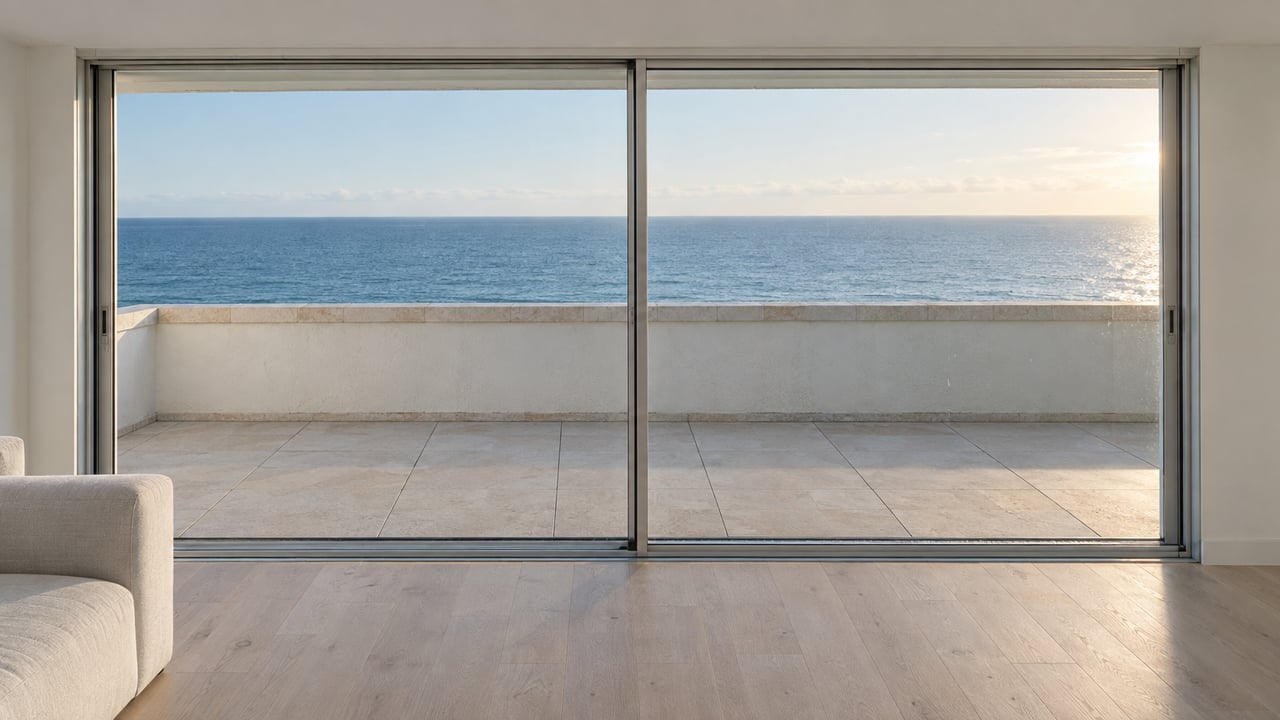
A buyer stands on a private terrace eleven floors above A1A, the Intracoastal on one side and open ocean on the other. The kitchen has been redone. The building lobby smells like money. Every visual cue says this unit is the safe choice, the finished choice, the one that won't come with surprises.
The finish level on that terrace tells you nothing about what matters most in a Boca Raton condo purchase right now. What matters is a single date on the certificate of occupancy and which of the city's four building zones that address falls into. In Boca Raton, the paperwork burden on a condo has stopped tracking with price or renovation quality. It tracks with geography and age, and the geography that carries the heaviest burden happens to be the same geography commanding the highest prices.
According to Milestone Inspections Boca Raton, Florida's post-Surfside law sets two clocks for a condo building three stories or taller: a milestone structural inspection due at 30 years, or 25 years if the building sits within three miles of the coastline. Because Boca Raton is a coastal city, most of its condo inventory east of I-95 falls inside that three-mile band, which means the 25-year clock is the one that actually governs most buildings here rather than the 30-year default inland communities get.
Boca Raton organizes its own recertification program around exactly that geography. The city sorted its building list into four zones and prioritized inspections by proximity to salt air:
| Zone | Area |
|---|---|
| Zone 1 | Barrier Island, east of the Intracoastal Waterway |
| Zone 2 | Intracoastal Waterway west to Dixie Highway |
| Zone 3 | Dixie Highway to west of I-95 |
| Zone 4 | West of I-95 |
The city started with Zone 1 and Zone 2 first, reasoning that buildings closest to the ocean face the fastest weathering and needed the earliest look. Chloride-driven corrosion of reinforcing steel is the structural risk engineers flag most often along that stretch, and it happens to overlap with the heaviest concentration of 1980s and 1990s construction in the city. The addresses with the best water views got built during the same boom years that now put them first in line for inspection.
A natural assumption follows: if the risk is concentrated in aging towers, buying new solves the problem. It doesn't, at least not on paper. The HOA Guide says the Structural Integrity Reserve Study requirement is triggered by a building's height, not its age. A condominium three stories or taller needs a SIRS on file regardless of when its certificate of occupancy was issued, which means a tower finished this year carries the same documentation requirement as one finished in 1985.
Boca Raton's newer luxury developments illustrate the point. Buildings like Alina Residences, Glass House Boca Raton, the Residences at Mandarin Oriental Boca Raton, and Mr. C Residences Boca Raton sit at a different price point and construction era than the 1980s towers along A1A, but the diligence a buyer owes each one is the same: read the SIRS, read the reserve schedule, read the milestone inspection status if one applies, and treat architecture and brand name as separate questions from the paperwork.
The part of this that catches buyers off guard has less to do with concrete and more to do with financing.
The building's paperwork, not the unit's finish, decides which buyer pool a seller is competing for.
Checking that status takes about five minutes. Florida's Division of Condominiums, Timeshares, and Mobile Homes now requires boards to submit completed SIRS data electronically within 45 days of finishing the study, and that data is searchable through the state's own portal.
By January 2025, Boca Raton reported that condo associations across the city were at 54 percent compliance with the reserve funding requirement, with stronger filing rates in Zone 1 and Zone 2 and enforcement still moving into Zone 3 and Zone 4. That number is nearly two years old at this point and deadlines have tightened considerably since, so it should be read as a starting point rather than a current figure.
The more recent read comes from the state level. On August 1, 2026, Florida's legislative watchdog office released its first statewide look at how buildings are holding up under the inspection law and flagged more than 2,500 buildings for deeper structural review. A flagged building typically needs repairs, those repairs typically get paid for through a special assessment, and a big enough assessment is what eventually pushes some boards to consider selling the property to a developer rather than repairing it unit by unit. Missing a pending milestone inspection deadline can have consequences.
Florida law already gives a buyer the right to see most of what matters. Under section 718.503, a seller in a non-developer resale must provide, at the seller's expense, a current copy of the milestone inspection summary if one applies, the association's most recent SIRS or a written statement that none has been completed, and the turnover inspection report if one was performed after July 1, 2023. If these documents aren't delivered within the required window, the contract becomes voidable at the buyer's option, and House Bill 913 extended that rescission window from three days to seven, effective for contracts signed on or after July 1, 2025.
Waiting for the contract stage to see these documents is the more common mistake. Requesting them earlier changes the negotiation:
Together, these records give buyers a clearer picture of the building’s inspection status, reserves, and potential costs before they commit.
The same statute creates a corresponding pressure for anyone listing a Boca Raton condo. Gathering the milestone summary, SIRS, and assessment disclosure after a contract is signed invites exactly the kind of delay that can push a closing date or trigger the seven-day rescission window. Associations that already have these documents current and available through their management company tend to close faster and field fewer renegotiation requests once a buyer's lender starts asking the same questions the buyer already did.
Does this apply to single-family homes in Boca Raton? The discussion here focuses on condo buildings; buyers of other property types should check which requirements apply.
Can I still buy in a building flagged as non-warrantable? Ask a lender about financing options for the specific building.
Is a brand-new building automatically a safer bet than an older one? Not automatically. New construction still needs a SIRS on file What actually protects a buyer is the association's financial discipline, not the building's age.
If you're weighing a Boca Raton condo purchase and want a second set of eyes on a building's inspection and reserve status before you write an offer, Renee Hasak has walked clients through exactly this kind of document review across Palm Beach County's luxury condo market.
This article is general information, not legal, tax or financial advice. Consult a qualified professional about your situation.
Stay up to date on the latest real estate trends.
Renee understands that buying or selling a home is one of the biggest decisions in the lives of her clients, and she loves partnering with people to make the process as smooth as possible.