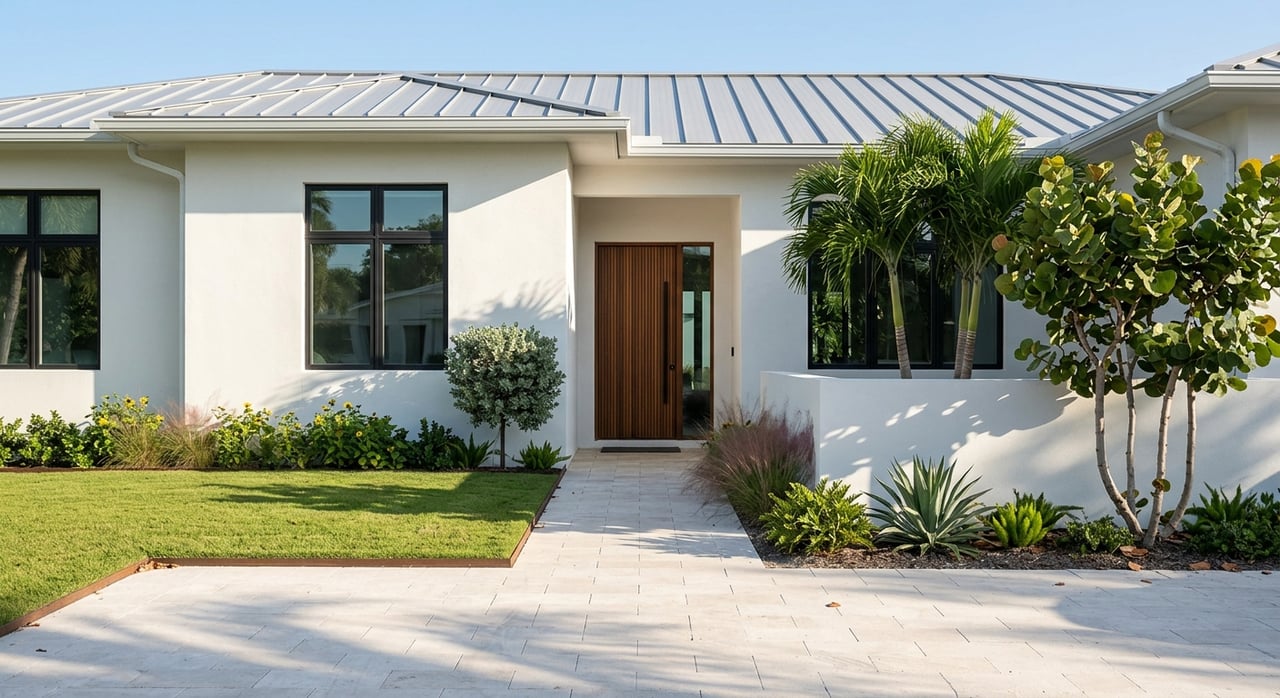
What Living in Juno Beach Is Really Like Every Day
June 25, 2026
June 25, 2026
If your idea of South Florida living is less about constant bustle and more about morning walks by the ocean, easy access to parks, and a quiet residential setting, Juno Beach stands out. You may be wondering what day-to-day life here actually feels like, especially if you are considering a move, a second home, or a coastal condo. This guide breaks down the pace, housing, outdoor routine, and practical realities of living in Juno Beach so you can picture what life here may look like. Let’s dive in.
Juno Beach is a small oceanfront town in Palm Beach County with 3,858 residents and 3,658 housing units across about 2.0 square miles of land. It sits roughly 14 miles north of West Palm Beach and has a distinctly residential character. That small size shapes much of the lifestyle.
The town describes itself as a seaside community suited to both vacation and full-time living. Over time, it has shifted from a more tourism-oriented past to a more residential coastal environment. If you are looking for a place that feels established rather than fast-growing, that is an important part of the picture.
Juno Beach is also largely built out. Town planning materials note that 98.7% of the community is developed, with only about 10% of land used for commercial purposes and no industrial properties. In practical terms, that usually means you are experiencing a low-intensity town where change tends to come through infill or redevelopment rather than large new neighborhood expansion.
In Juno Beach, daily life often revolves around the shoreline, nearby parks, and simple outdoor routines. The town highlights activities like sunbathing, swimming, fishing, walking, jogging, and bicycling along the oceanfront bike path. That creates a lifestyle that feels active and coastal without being overly busy.
For many residents, the beach is not just a weekend destination. It can be part of your normal morning or evening rhythm. Whether you enjoy a quick walk, time on the sand, or a bike ride with ocean views, the natural setting tends to play a major role in how the day unfolds.
The town calendar also reflects a smaller community pace. Civic meetings, bookmobile stops, art shows, food drives, and food-truck nights all help reinforce the idea that Juno Beach is more about local connection and everyday comfort than nonstop entertainment.
Juno Beach Park is one of the town’s main public coastal anchors. Palm Beach County lists it as a guarded beach with 300 feet of guarded frontage, a 990-foot pier, parking, restrooms, showers, and a designated daily surfing area. The park is open from sunrise to sunset.
That mix of amenities makes it easy to picture how residents and visitors use the area. You can spend time on the sand, walk the pier, or build a quick beach stop into your routine without needing a major day plan.
Loggerhead Park adds another layer to the outdoor lifestyle. This county beach park includes a pavilion, play area, nature trail, reserved picnic shelter, and lifeguards on the beach. It supports a flexible day outdoors, whether you are planning a family outing or simply want another beach-access option.
Across the street, Loggerhead Marinelife Center offers aquariums, exhibits, live sea turtles, and free admission. Its presence adds an educational and environmental element to life in Juno Beach that feels very connected to the local coastline.
If you want more than beach access, Juno Dunes Natural Area offers a broader natural setting. The area spans 569 acres and stretches from the Atlantic Ocean to the Intracoastal Waterway. The west tract includes several miles of trails and floating docks.
This is the kind of feature that can make everyday life feel more varied. You are not limited to oceanfront recreation alone. You also have access to trails, water views, and preserved open space that supports a quieter, more nature-focused routine.
Juno Park on the Intracoastal includes a boat ramp, kayaking access, tennis, basketball, a playground, picnic areas, and lighted fields. That gives residents another option for staying active beyond the beachfront. It also broadens the appeal for people who enjoy being on or near the water in different ways.
Kagan Park offers a smaller neighborhood-park setting with exercise equipment, bocce, swings, and picnic tables. Together, these parks help show that the lifestyle in Juno Beach is not limited to just one main attraction. It is a town where outdoor spaces are woven into daily living.
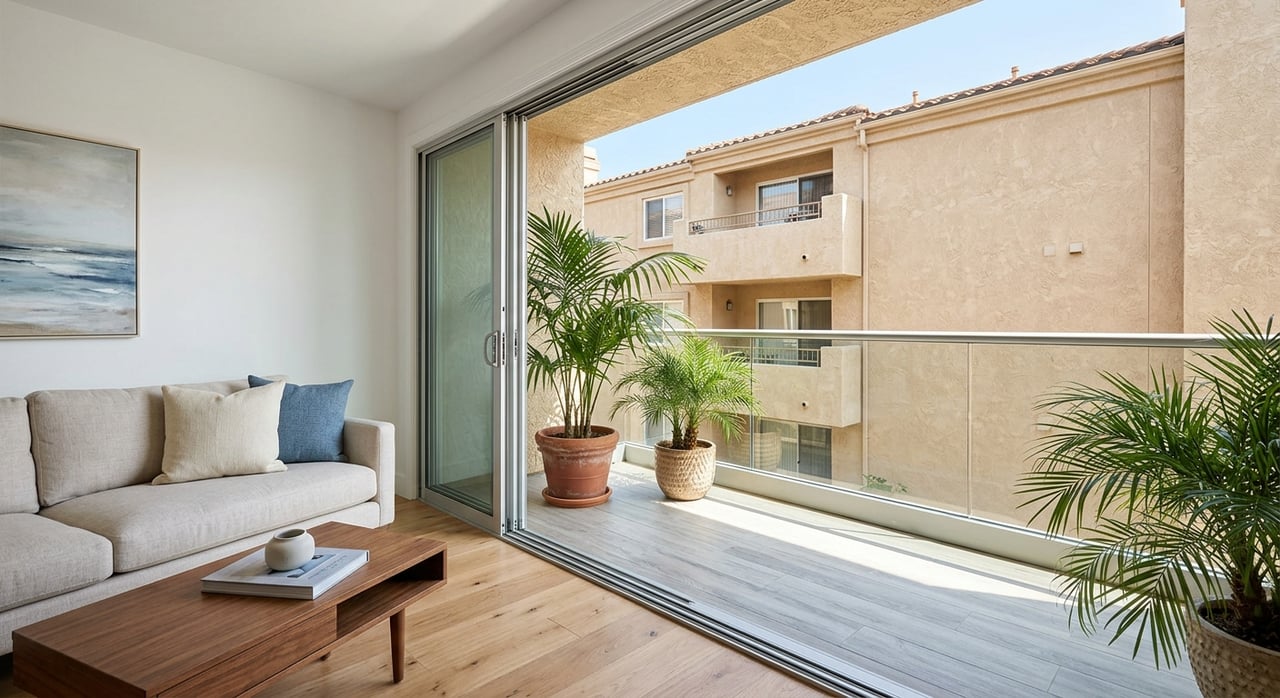
Juno Beach has a housing profile that looks different from many larger suburban communities. Census-derived data show that 71% of the housing stock is in multi-unit structures, and about 69% of occupied units are owner-occupied. The median owner-occupied home value is about $803,400.
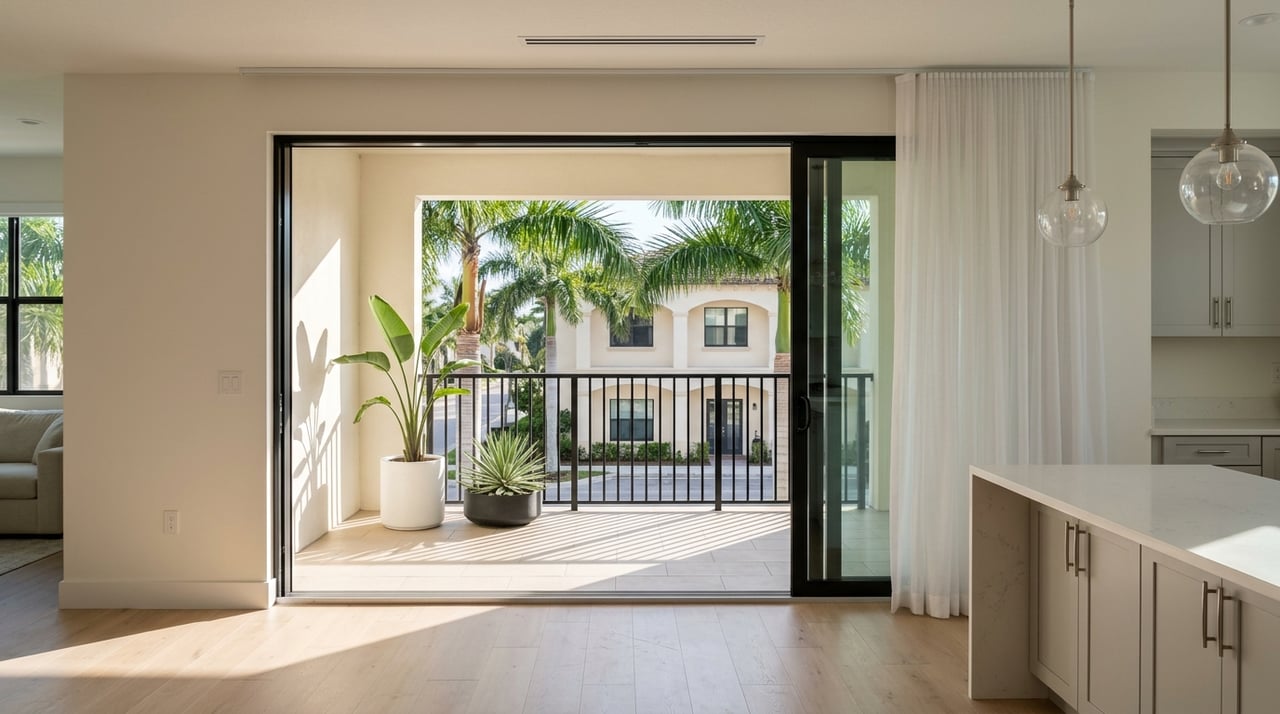
That data supports a clear takeaway. Juno Beach is a condo-forward coastal market with a strong ownership base. If you are searching here, you are more likely to encounter established condominiums and attached housing than rows of new single-family subdivisions.
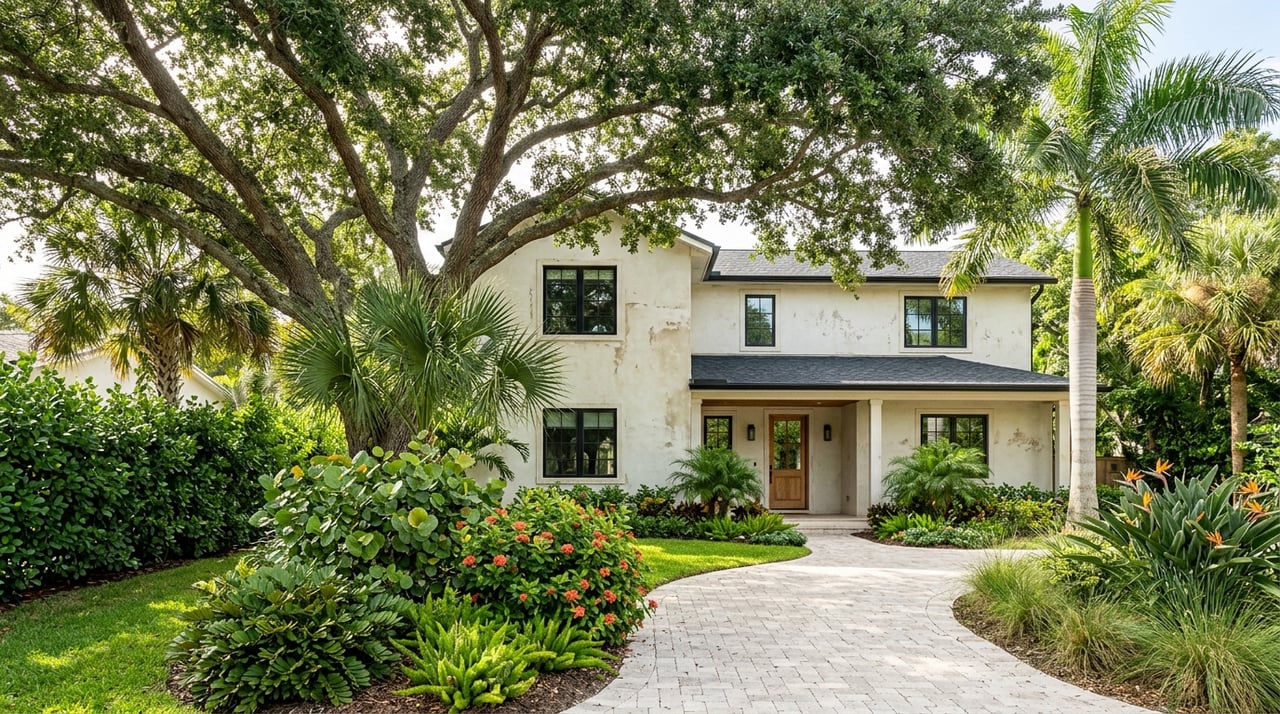
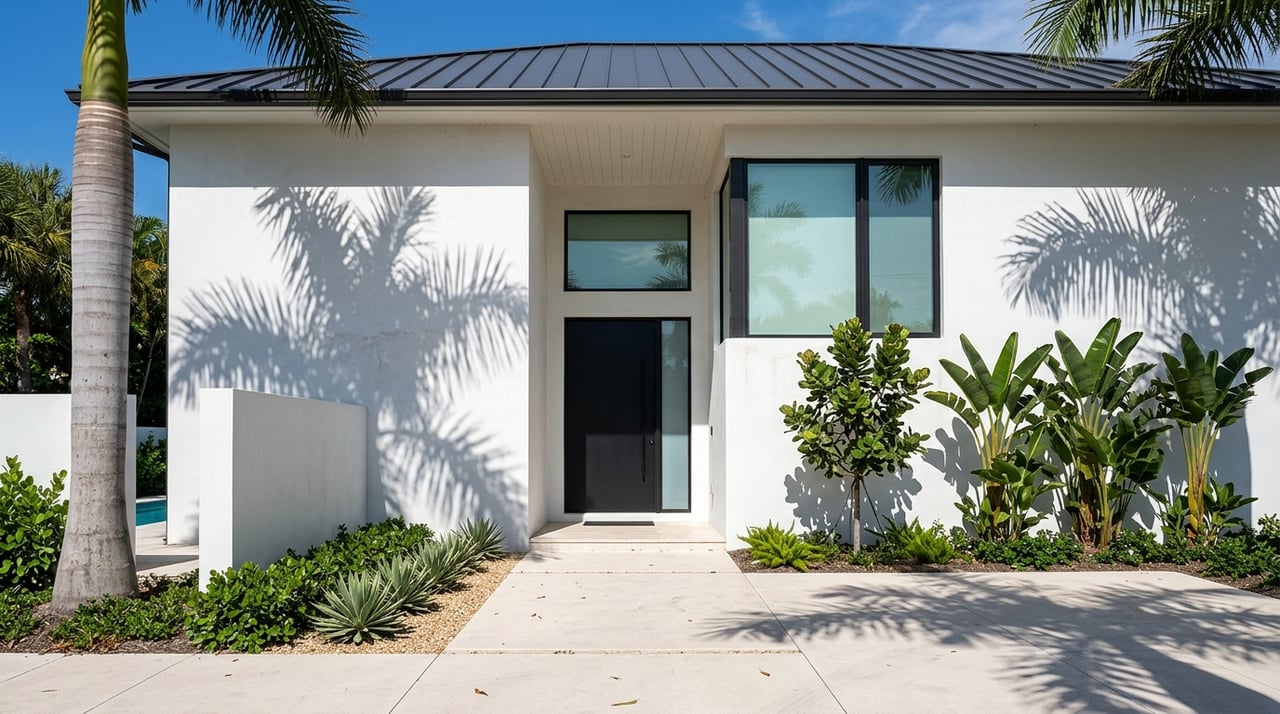
The town also references a mix that includes oceanfront estates, condominiums, and businesses. Because the community is already largely developed, buyers will often be looking at established properties, waterfront homes, and select infill or redevelopment opportunities rather than brand-new master-planned neighborhoods.
For some buyers, that is a major advantage. Established communities often offer a more settled feel, mature surroundings, and a clearer sense of what the area looks like today.
One of Juno Beach’s strengths is also one of its defining trade-offs. With only about 10% commercial land use, the town keeps a quieter, more residential atmosphere. That can be a strong plus if you value a calm coastal setting.
At the same time, the dining, shopping, and entertainment scene within Juno Beach itself is modest. Town materials note that the area is near golf courses, tennis courts, county parks, shopping centers, art galleries, and the Jupiter Theatre. So while you can enjoy a peaceful home base in Juno Beach, you will likely look to nearby hubs for a broader mix of restaurants and entertainment.
For many people, that balance works well. You get the benefit of a small-town coastal environment without being far from larger activity centers in the surrounding area.
Living near the ocean in Juno Beach comes with environmental responsibilities that are part of everyday life. Palm Beach County notes that its beaches have more sea turtle nests per mile than anywhere else in the United States. Loggerhead Marinelife Center says Juno Beach is one of the densest nesting sites for loggerhead sea turtles in the world.
That affects how the beach is used and maintained. County guidance asks people to keep beaches dark and clear of obstructions, and Juno Beach Park prohibits balloons. The town also notes that seaweed is usually hand-raked rather than mechanically raked during nesting season because of environmental impacts.
For residents, this means coastal living here includes stewardship. The beach experience is beautiful, but it is also shaped by efforts to protect a sensitive shoreline habitat.
Another practical part of life in Juno Beach is flood and drainage awareness. The town provides GIS mapping for flood zones and evacuation zones, which gives residents and buyers an important planning tool. In any coastal market, understanding those details matters.
The town also explains that preserved natural areas help absorb floodwater and support groundwater recharge. That is not just a planning issue in the background. It is part of how the local environment functions and why open natural spaces matter to the community.
If you are considering a home in Juno Beach, this is one of the reasons local guidance can be especially helpful. A property’s location, building type, and setting can all shape your day-to-day ownership experience.
Juno Beach may be a strong fit if you want a residential coastal town with an established feel, regular access to parks and beaches, and a quieter pace than a more urban shoreline area. It can also appeal to buyers who appreciate condo living, waterfront settings, and a community where nature plays a visible role in daily life.
It may be less ideal if your priority is brand-new neighborhood inventory or a highly active commercial district right outside your door. Juno Beach tends to offer a more low-key home base, with broader shopping and dining options found nearby.
For the right buyer, that is exactly the appeal. You are choosing a lifestyle shaped by the ocean, local parks, and a small-town rhythm that feels steady and established.
If you are exploring Juno Beach as a primary home, seasonal property, or coastal investment in Palm Beach County, working with a local advisor can help you compare property types, location trade-offs, and long-term value. To start that conversation, connect with Renee Hasak PA.
Stay up to date on the latest real estate trends.
Renee understands that buying or selling a home is one of the biggest decisions in the lives of her clients, and she loves partnering with people to make the process as smooth as possible.