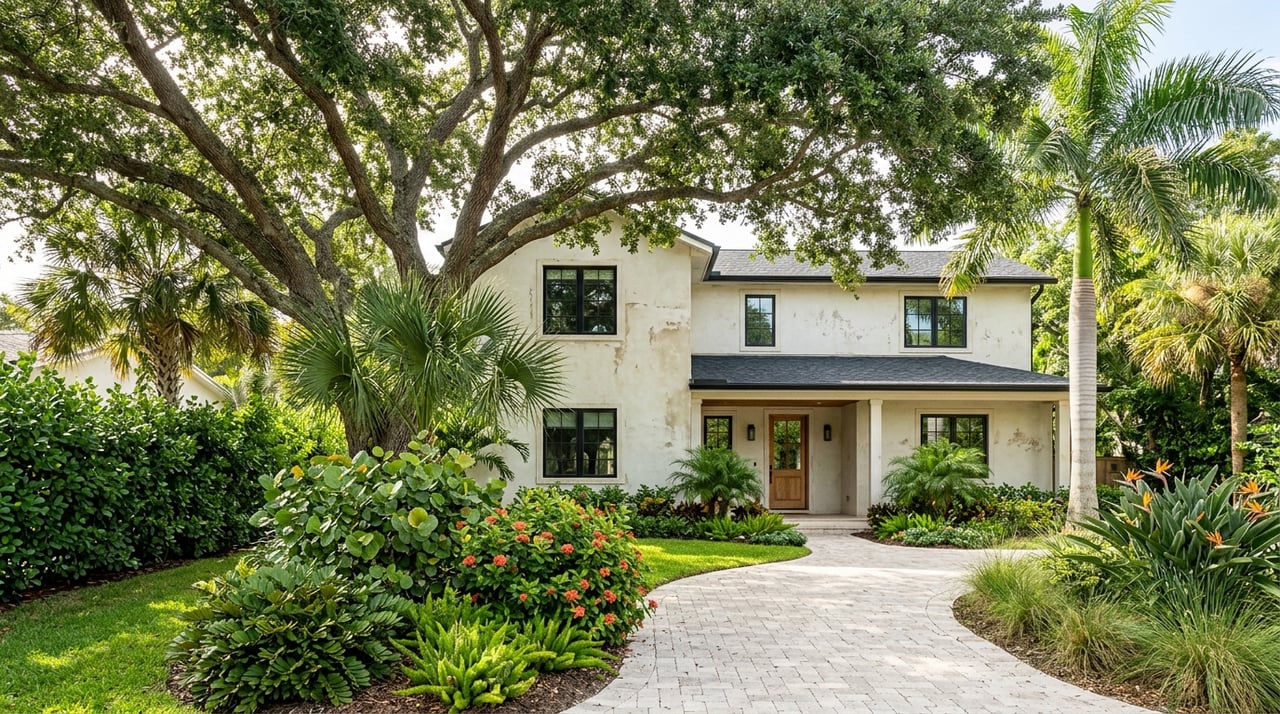
Jupiter New Construction Or Established Neighborhoods?
July 2, 2026
July 2, 2026
If you are weighing new construction versus an established neighborhood in Jupiter, you are asking the right question. In this market, the choice is not just about a home’s age. It is also about setting, ownership costs, neighborhood feel, and how you want to live day to day. By the end of this guide, you will have a clearer way to compare both options in Jupiter and decide which path fits your goals best. Let’s dive in.
Jupiter is shaped by more than new home releases and resale listings. The town’s planning approach puts real focus on natural, cultural, and historical resources while also supporting sustainable growth. That gives Jupiter a more layered feel than a typical suburban market.
You can see that in the town’s coastal and waterfront character. Jupiter has about 3.4 miles of beaches, and the Riverwalk is planned as a 2.5-mile recreational corridor along the Intracoastal Waterway. The coastal and intracoastal corridor also includes redevelopment areas with a distinct village identity, especially around Inlet Village.
Jupiter’s history also influences neighborhood appeal. The town recognizes the Jupiter Inlet Lighthouse and the Jupiter Inlet Historic and Archaeological Site as historic resources. Inlet Village is tied to some of the earliest settlement history in Palm Beach County, which adds a sense of place that many buyers value.
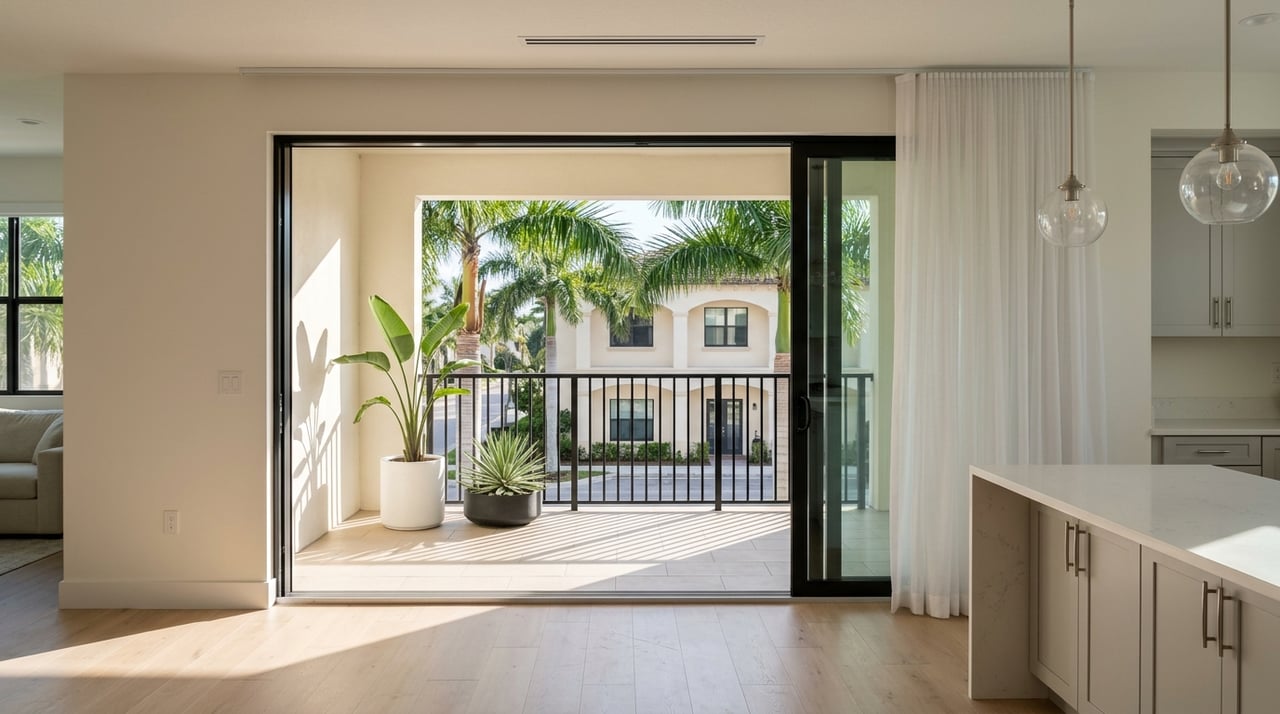
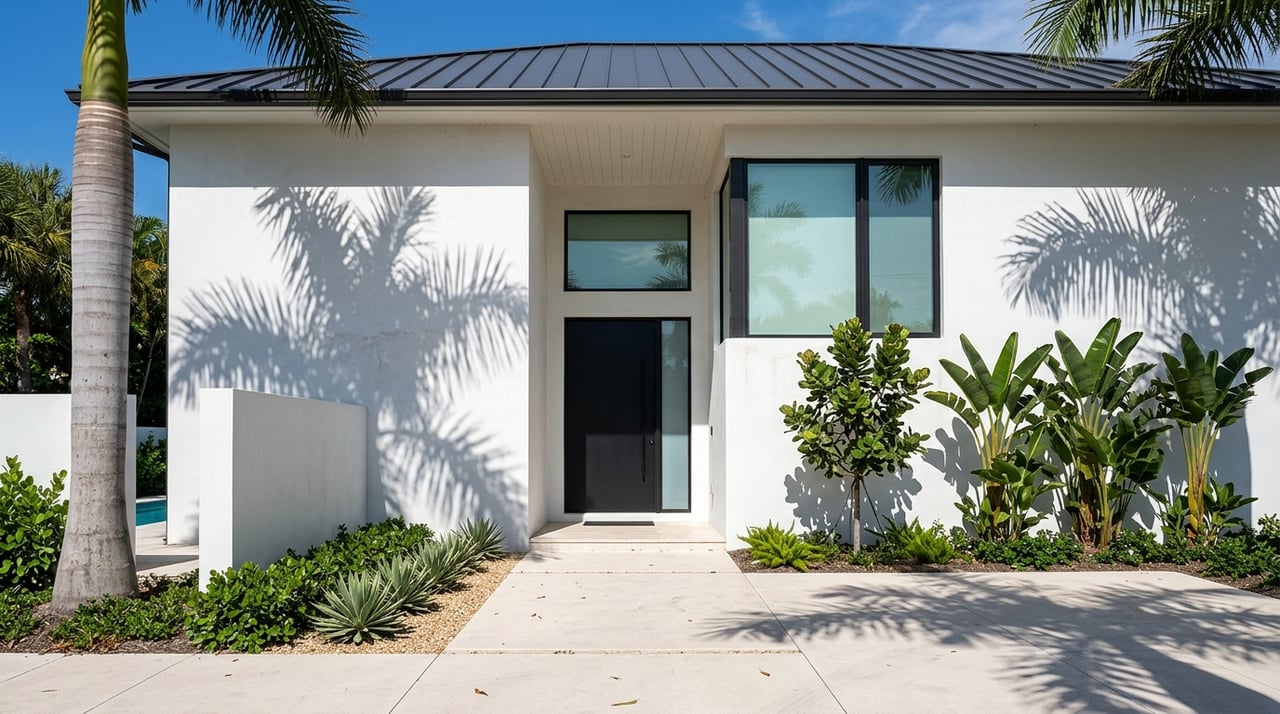
In Jupiter, new construction usually comes with a more coordinated look and feel. Because development projects move through a formal review process and require final site plans and landscaping plans before approval, newer communities often feel more planned from the start. That can translate into cleaner streetscapes, more consistent finishes, and community-wide amenities.
For many buyers, that predictability is a major plus. You may prefer a home with newer systems, a more current layout, and less immediate repair work. If you want a more managed environment, newer communities often fit that preference well.
That said, new does not always mean the same thing in every part of Jupiter. Some projects are infill or redevelopment rather than large-scale expansion. In the Inlet Village area, for example, proposed redevelopment has included residential condos and townhouses while also preserving mature oak trees and historic elements.
A new neighborhood can feel polished from day one, but it may take time to feel established. Jupiter has tree-protection rules and long-standing landscaping regulations, which support thoughtful design. Even so, mature canopy and a lived-in neighborhood character usually take years to develop.
You should also look closely at recurring costs and community rules. In Florida, homeowners associations must keep official records and prepare annual budgets. Those budgets may include reserve accounts for capital expenditures and deferred maintenance, and financial reports must warn owners if a lack of reserves could lead to special assessments.
Some newer communities may also include a community development district, or CDD. Under Florida law, a CDD is a special-purpose local government that may levy special assessments for district facilities. If you are comparing monthly and annual ownership costs, this detail matters.
Established neighborhoods in Jupiter tend to attract buyers who value character and setting. Older areas are more likely to have mature trees, a less uniform architectural mix, and a stronger sense of neighborhood identity. In a town with historic resources and long-established coastal areas, those qualities can be hard to replicate.
This is especially true near the inlet and along the coastal redevelopment corridor. In these areas, walkability goals, waterfront access, and historic context all play a role in how the neighborhood feels. If your priority is being close to Jupiter’s older coastal amenities, an established area may offer more of what you want.
Jupiter’s Riverwalk and beach system strengthen that appeal. The Riverwalk connects public access points, restaurants, marinas, and other waterfront uses along the Intracoastal. The town’s beaches, lined by dunes, mangroves, and sea grape trees, offer a natural setting that newer inland communities generally cannot duplicate.
Established does not mean effortless. Older homes and older communities can come with maintenance needs that deserve careful review. Jupiter’s housing standards require dwellings to be watertight, weatherproof, rodent-proof, insect-proof, and kept in good repair.
If you are buying in an older neighborhood, pay close attention to the condition of major systems and exterior elements. Roofs, windows, drainage, and exterior surfaces can have a big impact on future costs. If there is an association, review its financial statements and budget just as carefully as you would in a newer community.
It is also smart to ask about current infrastructure work. In Jupiter, some established neighborhoods may have improvement projects underway, such as sidewalk replacement, curb work, driveway repairs, or roadway resurfacing. These projects can be positive long term, but they may affect day-to-day livability in the near term.
One of the most important parts of this decision is understanding that location in Jupiter can matter more than age alone. The town’s planning framework shapes everything from redevelopment to landscaping to neighborhood form. That means two homes built decades apart may offer very different value depending on where they sit.
For example, a home in or near a historic, CRA, or redevelopment area may be influenced by future rules on building form, height, setbacks, or parking. That does not make the area better or worse by itself. It simply means you should understand how the surrounding area may evolve over time.
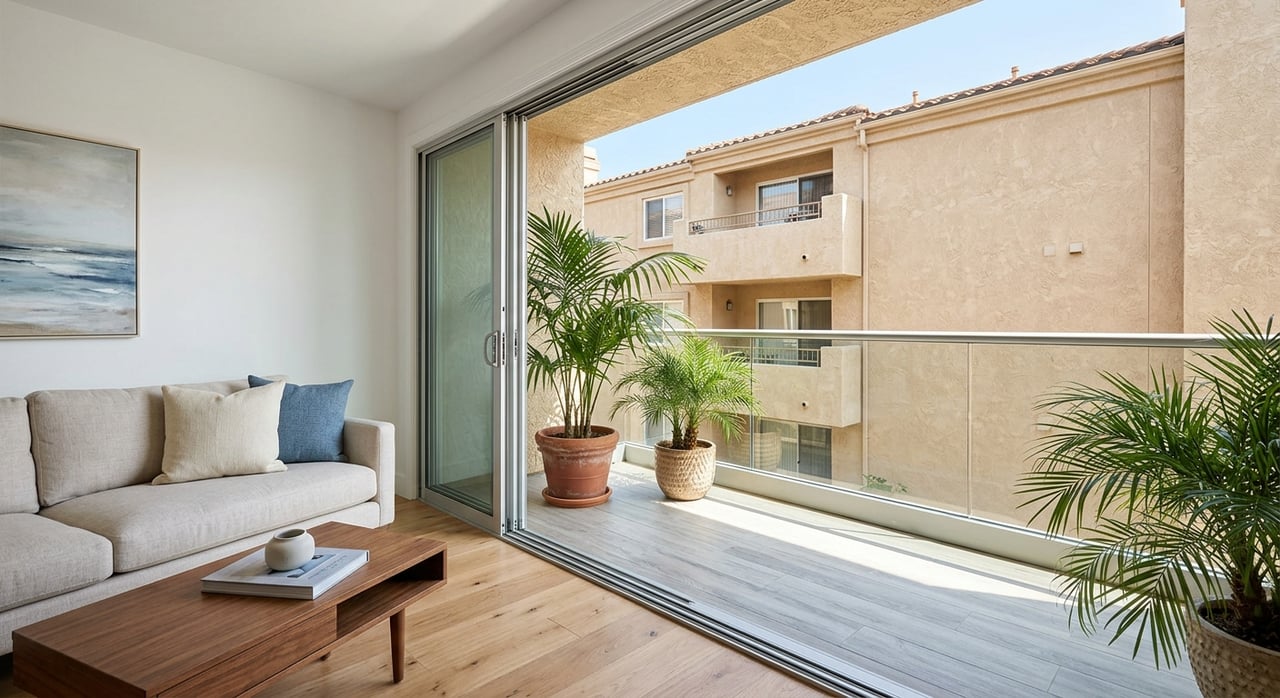
Jupiter also has a wide mix of neighborhoods, from original charter neighborhoods to Abacoa villages, golf communities, and coastal condo areas. This variety gives buyers real options, but it also means broad assumptions rarely work. A careful, neighborhood-level comparison is the best way to evaluate what fits you.
In Jupiter, resale strength is typically driven by location scarcity, property condition, and ownership costs more than by age alone. A well-located established home near the coast, inlet, or Riverwalk may hold appeal because those features are difficult to recreate. A newer home may attract buyers who want modern layouts, newer systems, and built-in amenities.
That is why two different buyer pools can exist side by side in Jupiter. One group may prioritize historic character, mature landscaping, and waterfront proximity. Another may focus on convenience, a more consistent neighborhood environment, and fewer near-term updates.
If you are thinking ahead to resale, ask yourself a simple question: what features would be hardest for a future buyer to replace? In Jupiter, those answers often point back to coastal access, inlet proximity, established setting, or the ease of newer construction.
Before you choose between new construction and an established neighborhood in Jupiter, use this checklist to compare options clearly:
If your priority is predictable finishes, newer systems, and a more managed community environment, new construction may be the better fit. This path often appeals to buyers who want a streamlined feel and fewer immediate maintenance concerns.
If your priority is mature landscaping, a more distinctive neighborhood identity, and proximity to Jupiter’s older coastal and inlet amenities, an established neighborhood may make more sense. This option often appeals to buyers who place a premium on setting and character.
In the end, this is less about choosing the “right” type of neighborhood and more about choosing the right match for your lifestyle, budget, and long-term plans. In a market as layered as Jupiter, that kind of decision benefits from calm, local guidance and a close look at the details.
If you are comparing neighborhoods in Jupiter and want a thoughtful, personalized strategy, Renee Hasak PA can help you evaluate location, ownership costs, and resale potential with a clear local perspective.
Stay up to date on the latest real estate trends.

Renee understands that buying or selling a home is one of the biggest decisions in the lives of her clients, and she loves partnering with people to make the process as smooth as possible.