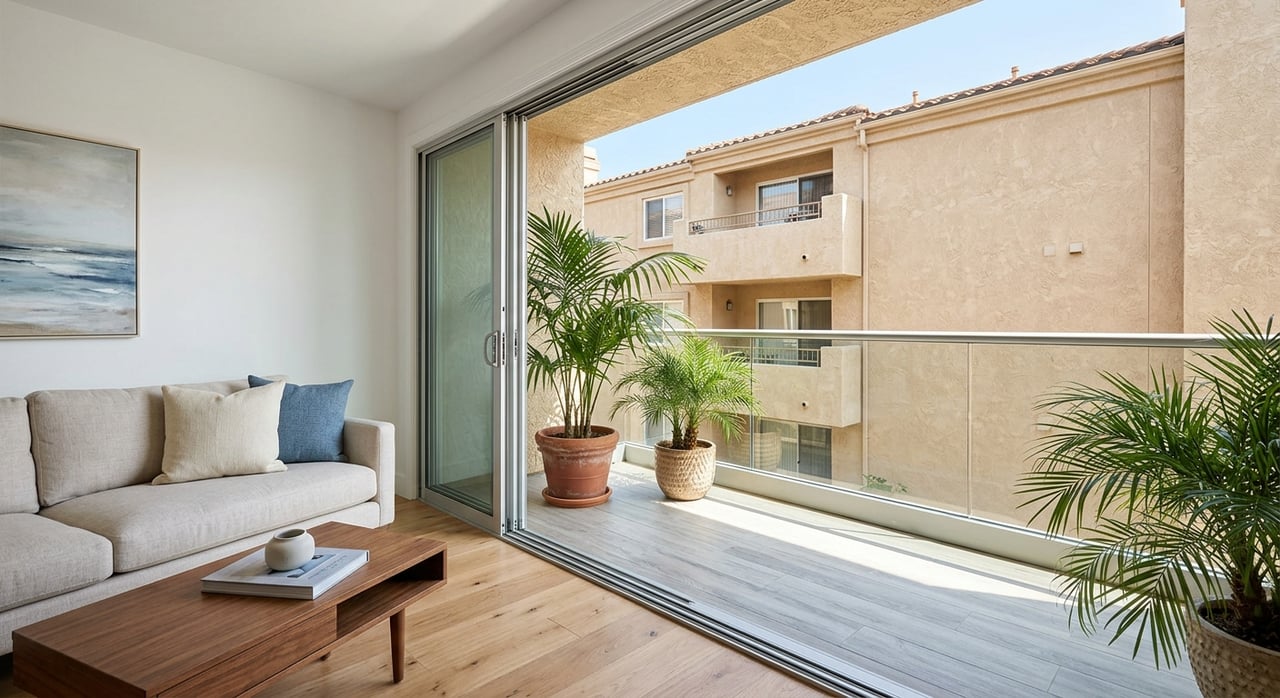
West Palm Beach Condo vs House: Condo or Historic Home?
May 28, 2026
May 28, 2026
If you’re torn between a downtown condo and a historic home in West Palm Beach, you’re asking the right question. These two options offer very different ownership experiences, even when they sit just minutes apart. By understanding how maintenance, lifestyle, parking, preservation rules, and long-term value differ, you can choose the property type that fits how you actually want to live. Let’s dive in.
Downtown West Palm Beach gives you more than one way to enjoy city living. The city’s Downtown/City Center CRA covers roughly 940 acres, and downtown now includes nearly 9,000 residential units plus more than 10.4 million square feet of nonresidential development. That scale helps explain why condo living plays such a major role here.
At the same time, West Palm Beach has a strong preservation identity. The city maintains 18 locally designated historic districts and 46 individually designated sites, including nearby areas such as Flamingo Park, El Cid, and Old Northwood. So when you compare a condo with a historic home, you are not comparing two generic housing types. You are choosing between two long-established ways of living in a city that actively supports both growth and heritage.
A downtown condo often works best if you want a more managed ownership structure. Under Florida condominium law, the association is responsible for common-element maintenance and other repair or replacement work assigned in the declaration, while owners pay assessments that fund those shared expenses. In simple terms, you trade some direct control for shared upkeep and shared budgeting.
For many buyers, that makes a condo the easier lock-and-leave option. Because common areas and building systems are generally handled at the association level, you may spend less time dealing with exterior maintenance than you would with a single-family home. That can be especially appealing if you want a primary residence with convenience or a second home that does not demand as much hands-on attention.
Condo ownership in Florida requires thorough due diligence. State law now requires a structural integrity reserve study at least every 10 years for residential condominium buildings that are three habitable stories or higher. That study must address major structural and safety components and create a reserve funding plan.
For you as a buyer, that means the association’s financial health matters as much as the unit itself. A beautiful kitchen or water view may catch your eye first, but budgets, reserve history, special-assessment risk, and building rules are just as important. In many cases, those details have a bigger impact on your day-to-day costs and long-term comfort than cosmetic finishes do.
Parking is one of the most practical condo questions to ask early. The city says downtown has more than 3,600 parking spaces and about 1,500 on-street metered spaces in the downtown core, and monthly garage permits are available. However, those permits are first-come, first-served and do not guarantee a space.
That is why you should confirm whether a condo includes deeded parking, assigned parking, or another dependable arrangement. In a downtown setting, parking is not a small detail. It can shape your routine, guest access, and overall convenience.
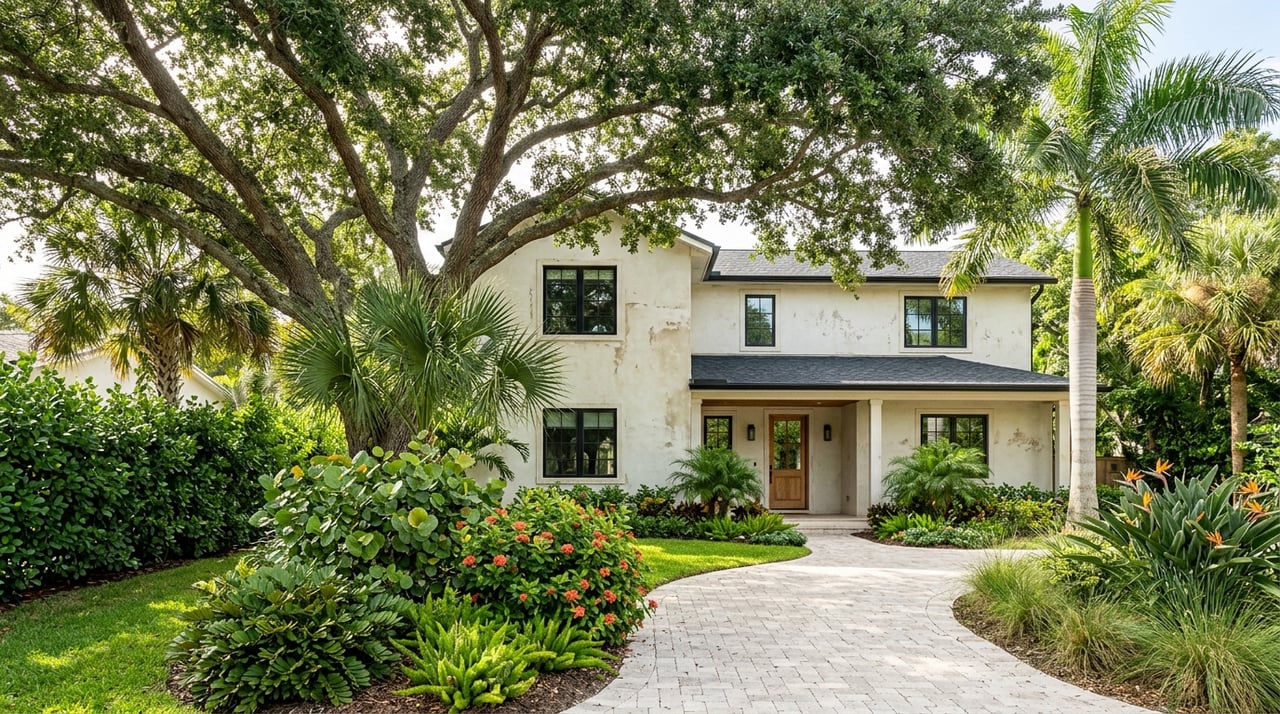
If a condo offers convenience, a historic home often offers character. West Palm Beach’s historic districts appeal to buyers who want architectural identity, established neighborhood fabric, and a property that feels distinct from a tower residence. For many buyers, that sense of authenticity is the main reason to choose a historic home over a condo.
The city describes historic districts as places where architectural design is preserved while interiors can still be modernized. That balance is part of the appeal. You can enjoy original style and neighborhood context while updating the home for current living needs.
Historic homes also come with a different set of responsibilities. The city requires review for exterior alterations, additions, demolition requests, and new construction on historically designated properties and properties within historic districts. Approval is required before permits are issued.
That does not mean every project is difficult. The city also says routine maintenance that does not require a permit, such as painting or minor exterior repair, does not require additional historic review. Still, if you plan to change windows, roofing, fences, driveways, or the scale of an addition, you should expect a more structured review process than you would with many non-historic properties.
A historic home gives you more ownership independence in some ways, but not unlimited renovation freedom. The city’s guidance emphasizes compatible materials, appropriate massing, and additions that typically belong at the side or rear rather than dominating the front elevation. If you love the idea of preserving original charm, those standards may feel like a benefit. If you want total exterior design freedom, they may feel restrictive.
This is why buyer fit matters so much. A historic property can be very rewarding, but it works best when you appreciate the home’s architectural identity and are comfortable planning changes within preservation guidelines.
Historic designation can also create a financial upside. According to the city, designated historic properties may qualify for an ad valorem tax exemption on up to 100% of the assessed value added by approved renovation, restoration, or rehabilitation work, subject to approval and completion requirements.
That does not mean every project will qualify automatically, but it is an important point to explore if you are considering a historic purchase. For the right buyer, that potential exemption can help offset part of the cost of improving and preserving an older home.
If your ideal day includes walking to dining, events, parks, and the waterfront, a downtown condo may have the edge. The city places Waterfront Commons at 100 N Clematis Street, and the Great Lawn hosts recurring events such as GreenMarket and Clematis by Night. The downtown waterfront also provides access to the Intracoastal Waterway and free public docks.
That concentration of activity is a major lifestyle advantage for condo buyers who want to be in the center of it all. You may be able to leave the car parked more often and enjoy a more connected urban routine.
Historic homes can also be near downtown, but the experience is usually more block-specific. Depending on the exact location, you may still enjoy close access to downtown amenities, but your daily rhythm will likely feel more tied to the individual parcel, street layout, and parking setup.
A condo usually reduces your personal exterior maintenance load because the association handles common elements. That can make ownership feel simpler, especially if your schedule is full or you prefer a more predictable routine. The tradeoff is that you need to be comfortable with association budgets, rules, and assessments.
A historic home often asks more of you directly. Even when routine maintenance is straightforward, an older home may involve more hands-on planning over time, and city review may apply to certain exterior changes. If you enjoy that stewardship role, it can be deeply satisfying. If you want minimal oversight and less personal upkeep, a condo may be the better fit.
In downtown West Palm Beach, condo value is tied to both the building and the broader district. The city’s downtown master plan outlines a 25-year vision focused on vibrant neighborhoods, economic growth, waterfront activation, transportation, parks, resiliency, and continued investment. That means your condo’s future value may depend not only on the unit and amenities, but also on how the surrounding downtown environment evolves.
At the building level, the key factors usually include construction quality, reserve strength, assessment history, parking, amenity package, and exposure to future special assessments. Florida’s reserve and assessment framework makes those financial details essential. A buyer who reviews only finishes and views may miss the bigger value story.
Historic-home value tends to center on character, lot quality, neighborhood context, and preservation status. These homes often appeal to buyers who want something distinctive and close to downtown without living in a tower. That distinctiveness can support demand when the property is well maintained and thoughtfully updated.
Because the city protects architectural character in historic areas, the setting itself can be part of the long-term appeal. Buyers are often responding not just to one house, but to the preserved design fabric around it.
No matter which property type you prefer, flood exposure and insurance should be part of your decision. The city provides flood-zone lookup tools and notes that standard homeowners insurance typically does not cover flood damage. In other words, you should not assume that a downtown location automatically means simpler flood risk or easier insurance planning.
This is one of the most important practical checks for any West Palm Beach purchase. Whether you are looking at a condo or a historic home, verify the property-specific flood and insurance picture before you commit.
A downtown condo may be the better choice if you want convenience, centrality, and a more managed maintenance structure. It often fits buyers who value walkability, predictable exterior upkeep, and access to downtown activity, while also feeling comfortable reviewing association documents and ongoing shared costs.
A historic home may be the better choice if you want architectural character, a more independent ownership feel, and a property with a strong sense of place. It often suits buyers who appreciate older homes, can plan around preservation review, and do not mind a more hands-on ownership experience.
The simplest way to frame the decision is this: condos usually offer convenience and a more structured ownership model, while historic homes usually offer character and individuality with more direct responsibility. Neither is better across the board. The right choice depends on your lifestyle, budget comfort, and how involved you want to be in the property over time.
If you are weighing both options in West Palm Beach, working with a local advisor can help you look past surface appeal and focus on the details that matter most. For tailored guidance on Palm Beach County real estate, connect with Renee Hasak PA.
Stay up to date on the latest real estate trends.

Renee understands that buying or selling a home is one of the biggest decisions in the lives of her clients, and she loves partnering with people to make the process as smooth as possible.